How Young Athletes Train in Egyptian Sports Clubs
Young athletes in Egyptian sports clubs train through a structured process that combines skill practice, physical development, tactical learning, competition, education, and recovery. The exact routine changes by sport, age, club, and competitive level. A beginner in a local swimming group will not follow the same plan as a teenage football player at a major academy or a junior squash player preparing for a national event.
Most clubs begin with assessment and basic instruction. Coaches then increase the difficulty of training as the athlete improves. Good programmes also protect time for school, sleep, family life, and medical care. The aim is steady development, not fast results at any cost. This approach reflects the International Olympic Committee’s call for youth sport to produce healthy, capable, and resilient athletes while keeping participation enjoyable and sustainable.
This article explains the process in four connected parts:
- Entry, Assessment, and Basic Skill Development
- What a Typical Training Week Looks Like
- Education, Nutrition, Recovery, and Family Support
- Competition Pathways and Real Egyptian Club Examples
Entry, Assessment, and Basic Skill Development
The first stage usually starts with a trial, an introductory session, or a short observation period. A coach may look at movement, balance, coordination, speed, confidence, and the ability to follow instructions. Sport-specific qualities also matter. A football coach watches first touch, passing, awareness, and movement without the ball. A squash coach studies racket control, footwork, reactions, and spatial judgement. Swimming coaches pay close attention to body position, breathing, and stroke basics.
A trial is only one snapshot. Children grow at different rates, and early physical size does not always predict later performance. For this reason, sensible coaches assess learning speed, attitude, and consistency as well as current ability. They may place athletes in age groups or development groups, then review progress over several weeks.
Al Ahly offers a clear football example. Its official youth-sector coverage includes academy trials across age groups and separate trials for women’s youth teams. The club also runs age-group teams that compete in Egyptian youth leagues and international youth events. This shows how a large Egyptian club can connect open selection with an organised development path.
After selection, the focus moves to basic technique. Young football players repeat receiving, passing, turning, shooting, and small-sided games. Junior squash players practise grip, swing patterns, movement into the corners, recovery to the centre, and controlled rallies. Swimmers work on starts, turns, breathing, and efficient strokes. In combat sports, beginners first learn stance, balance, safe falling, and controlled execution.
Repetition matters, but coaches should not turn every session into a test. Young athletes need room to make mistakes, solve problems, and enjoy the sport. Small games and varied drills help them learn decisions instead of copying movements without understanding. The IOC consensus supports age-appropriate coaching, varied athletic experiences, qualified supervision, and long-term health rather than early pressure for constant results.
Physical preparation also begins with simple foundations. Coaches use running, jumping, landing, changing direction, and bodyweight movements to build control. The goal is good technique and safe movement. Heavy loads or exhausting conditioning should not replace basic skills. As athletes mature, trained staff can add resistance work, speed exercises, and more demanding sport-specific fitness in gradual steps.
See also: Financial Hardship and End-of-Life Costs: What Connecticut Families Need to Know
What a Typical Training Week Looks Like
There is no single weekly schedule for every Egyptian sports club. School hours, transport, facility access, competition dates, age, and the sport itself all affect the plan. Still, a normal week often mixes technical practice, physical preparation, tactical learning, match situations, and rest.
| Training element | Main purpose | Common examples |
|---|---|---|
| Technical practice | Improve control and accuracy | Passing, shooting, stroke drills, serves, starts, turns, or throws |
| Physical preparation | Build movement quality and fitness | Running technique, agility, balance, mobility, jumps, and supervised strength work |
| Tactical practice | Improve decisions | Small-sided football games, squash patterns, race pacing, or combat scenarios |
| Competition practice | Apply skills under pressure | Practice matches, timed sets, internal races, or controlled sparring |
| Recovery | Support adaptation and reduce fatigue | Light movement, stretching, hydration, sleep, and rest days |
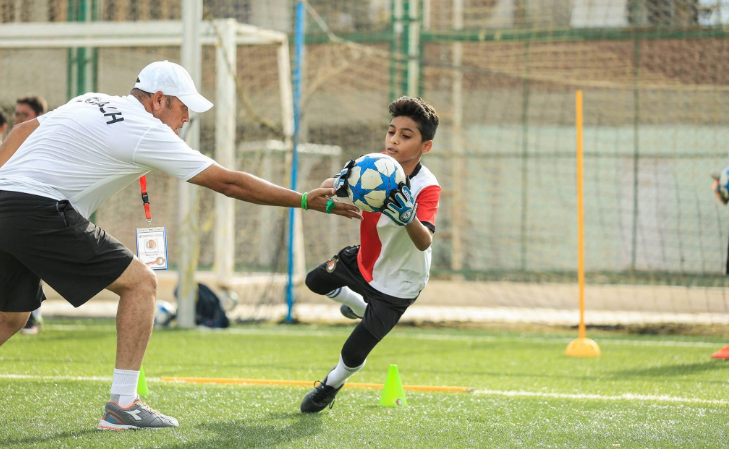
A football session may begin with movement preparation and ball work. The main part can include passing combinations, possession games, pressing exercises, or team shape. Coaches often finish with a match because it gives players a reason to apply the day’s lesson. A goalkeeper may also complete separate work on positioning, catching, distribution, and reactions.
Individual sports follow a different rhythm. A young squash player may divide time between technical feeding drills, footwork, conditioned games, and full matches. A swimmer may complete sessions built around stroke technique, controlled distances, pacing, starts, and turns. Judo, karate, and taekwondo athletes spend more time on movement patterns, partner drills, controlled contact, and safety rules.
Training intensity should rise and fall across the week. Hard sessions create useful stress, but the body needs recovery before the next demanding effort. Coaches can adjust volume after a match, before an important event, or when a player reports unusual fatigue. This is especially important during growth, when coordination and comfort can change quickly.
Match analysis is another part of training. Older academy athletes may review video, discuss positioning, or study a recent opponent. Younger groups usually benefit from short and simple feedback. One clear point, such as creating space before receiving the ball, is easier to use than a long lecture.
Fan culture also surrounds Egyptian sport. Digital access can help adult supporters follow fixtures, results, and club news. Some adults consult Arabic guides such as تنزيل برنامج 1xbet while following sport online, provided they use age-restricted services responsibly. This activity is separate from youth sport, and clubs and families should keep it away from children and training environments.
The best weekly plan is therefore balanced rather than crowded. Extra practice is useful only when the athlete can recover, attend school, and remain interested in the sport. Persistent soreness, falling concentration, poor sleep, or a sudden loss of motivation are signals that parents and coaches should discuss.
Education, Nutrition, Recovery, and Family Support
Training does not stop when a young athlete leaves the pitch, court, pool, or training hall. School routines, meals, sleep, transport, and family support all influence progress. A club can teach excellent technique, but an athlete who arrives tired and underfed will struggle to use it.
Right to Dream Egypt Academy offers a useful example of an integrated system. Its residential academy in Badya, West Cairo, opened in October 2023 and works with student-athletes aged 10 to 16 who are identified through nationwide scouting. The programme combines football training with a structured curriculum based on Egypt’s national education system and a character-development programme. This model treats school and personal growth as parts of athlete development rather than obstacles to training.
For most young athletes, education requires practical planning. Training may start after school, so travel and homework need fixed time. Teachers may need advance notice when a national competition requires an absence. Coaches can help by publishing schedules early and avoiding unnecessary late sessions before important school days. Parents play a central role because they see changes in energy, mood, and academic focus before club staff do.
Food supports both growth and training. A practical daily pattern includes regular meals with carbohydrate for energy, protein for growth and repair, fruit and vegetables, and enough fluids. The exact needs depend on age, body size, climate, sport, and workload. In hot Egyptian weather, athletes should arrive hydrated and have access to fluids during training. A qualified sports dietitian or doctor should handle individual nutrition problems, supplement questions, or rapid weight changes.
Recovery is equally important. Sleep helps the brain learn skills and gives the body time to respond to training. Research on adolescent athletes links inadequate sleep and poor nutrition with concerns about recovery and injury risk. Clubs can support better habits by ending youth sessions at reasonable times, teaching simple recovery routines, and checking whether busy competition periods are affecting rest.
Health support should be easy to access. Young athletes need a safe way to report pain, dizziness, breathing problems, or emotional strain without fearing that they will lose their place. Coaches should never ask a child to hide an injury for an important match. Medical staff, physiotherapists, coaches, and families need clear communication about return to training.
Family support works best when it remains calm and consistent. Parents can provide transport, meals, encouragement, and honest feedback about fatigue. They should avoid turning every match into an exam. A short question such as “What did you learn today?” often supports development better than a long discussion about the score.
Competition Pathways and Real Egyptian Club Examples
Competition gives training a clear purpose. Young athletes usually begin with internal games, friendly events, or local fixtures. As they improve, they may enter regional leagues, national youth competitions, school tournaments, federation events, or international age-group events. Selection for a senior squad, scholarship, or advanced academy comes later for a smaller number of athletes.
Al Ahly’s youth sector shows the football pathway in action. The club’s official reports cover Egyptian youth league titles, an international under-16 tournament, and travel to Spain for the MAD CUP. These events expose players to different opponents and game styles. They also give coaches evidence about how well technical and tactical lessons survive under pressure.
Right to Dream Egypt shows a second route. In 2024, its first graduating class included two student-athletes who earned scholarships in the United States and two who moved to the Right to Dream International Academy. The outcomes were different, but each combined football with continued development. That is important because a responsible academy prepares young people for several possible futures.
Squash provides another strong Egyptian example. The Wadi Degla Darwish Squash Academy began in 2004 under former world champion Karim Darwish. Its official page lists 74 courts and connects the academy with leading Egyptian players such as Ali Farag, Hania El Hammamy, and Rawan El Araby. A large coaching and facility base allows junior players to practise regularly, find suitable opponents, and see an elite standard close to home.
These clubs operate at a high level, but the basic process also applies to smaller organisations. Coaches identify current ability, teach core skills, build fitness gradually, and provide competition at the right level. They review progress and adjust the next training block. Athletes move ahead when their technique, judgement, physical readiness, and behaviour show that they can handle a greater challenge.
Progress is rarely a straight line. A player may grow quickly and need time to regain coordination. A swimmer may improve technique before race times fall. A squash player may lose matches while learning a more effective style. Good coaches judge development across months and seasons, not one result.
Egyptian sports clubs train young athletes through repeated, connected work. Skill sessions create control. Physical preparation supports movement. Tactical practice improves decisions. Competition tests learning. Education, nutrition, sleep, medical care, and family support keep the process sustainable. The real examples of Al Ahly, Right to Dream Egypt, and Wadi Degla show that strong youth systems create pathways, but they also protect the person who is travelling along them.