Short Bhutan Cultural Tour: Monasteries, Forts and Local Traditions in 4 Days
Bhutan is a small Himalayan nation that highly regards peace, spirituality and tradition. It boasts of a good environment, preserved culture and a peaceful lifestyle. Bhutan is not concerned with the fast-paced travelling and the current-day entertainment that has become a common feature of most other tourist spots. Rather, it challenges the travelers to take their time, watch, and get a chance to view life in another dimension.
A short Bhutan cultural tour is ideal for travelers who want to explore the heart of the country in a limited time. Within four days, you are able to tour key monasteries, historic forts, historical towns, and local communities. It is an ideal trip where first time visitors to Bhutan can have a significant introduction to the country without any hurry.
This blog describes a four-day Bhutan cultural tour with a focus on monasteries, forts, daily life, food, traditions, and the overall experience.
What a Short Bhutan Cultural Tour Is All About
A four-day cultural tour in Bhutan is dedicated to history, religion, and everyday life rather than adventure activities. Most tours include Paro and Thimphu, along with nearby valleys, as these areas contain many of Bhutan’s important cultural sites.
The trip often starts with a plane ride to Paro, which, in itself, is a stunning experience. Green hills and snowcapped mountains surround the airport creating the mood of the rest of the trip. Travelers visit temples, dzongs, museums, markets, and nearby towns.
The speed of the tour is slow. It is possible to spend sufficient time in every location, make photos, and hear the explanations of guides. The tour is easy and not physically demanding, involving short walks and comfortable travel, making it suitable for visitors of various ages and fitness levels.
Couples, families, senior travelers and cultural travelers seeking a relaxing and enriching experience are of particular interest to this kind of tour.
Monasteries and Spiritual Heritage
Bhutanese life is very dependent on religion. Buddhism has its impact on the everyday life, festivals, architecture and values. Monasteries also serve as centers of religious learning and community life.
Tiger Nest Monastery or Paro Takatsang is one of the most renowned places to visit in a four day cultural tour. It dramatically stands on a cliff overlooking the Paro Valley and is one of the most sacred sites in Bhutan. Reaching the monastery usually takes a few hours at a relaxed pace, and the effort is rewarding.
The spiritual traditions of Bhutan can be traced through other monasteries and temples visited as part of the tour. Tourists usually watch monks chanting prayers, lighting butter lamps and meditating. These scenes provide a better insight into the tranquil and contemplative lifestyle in Bhutan.
What You Will Experience at Bhutanese Monasteries
- Harmonious environment with prayer banners and incense.
- Monks trading prayers and rituals on a daily basis.
- Religious art and ancient murals within temples.
- Chances to hear about Buddhist beliefs and values.
- Chances to hear about Buddhist beliefs and values.
When entering monasteries, visitors are supposed to wear modest clothes, keep their voices low, and honor local traditions.
Forts and Traditional Architecture
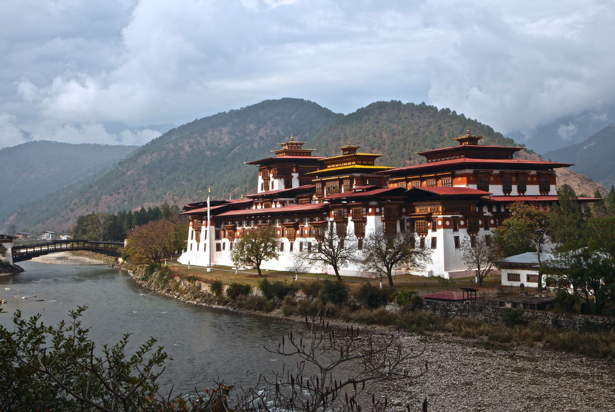
Forts known as dzongs are one of the most outstanding structures in Bhutan. They are religious as well as administrative and are the good specimens of traditional Bhutanese architecture.
Near the rivers or valleys the dzongs are usually built and are marked with heavy white walls, wooden windows and large courtyards. They also possess temples and in the inside there are government offices and residential quarters of monks.
The travelers usually have a brief cultural sightseeing in Rinpung Dzong in Paro, and Tashichho Dzong in Thimphu. These forts are not merely historical monuments but living centers of everyday life.
A visit through a dzong will enable one to learn how religion and government interrelate in Bhutan. The design, location, and decorative elements of these forts reflect Bhutan’s respect for tradition and harmony.
Local Traditions and Daily Life
The Bhutanese culture is highly traditional and most of the practices are still observed in daily life. Traditional clothing is one of the first things which visitors can observe. In schools, offices, and formal places, men wear gho, and women wear kira.
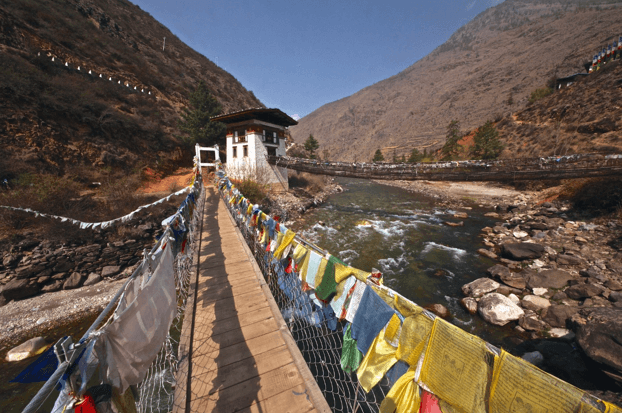
Another significant aspect of life is prayer flags. They are installed in rooftops, hills, bridges and mountain passes. The prayers written on the flags are believed to spread blessings as the wind moves through them.
Local markets provide an insight into the ordinary lives. Farmers are selling vegetables, fruits, dried items and handmade items. These are vibrant, vivid and friendly markets.
Bhutanese people are generally polite, friendly, and respectful. Talks with locals tend to show how strong their community spirit and satisfaction can be.
Everyday Cultural Experiences You Will Notice
- Daily life traditional dress.
- Small shrines and prayer flags near houses.
- Locals welcoming one another warmly and respectfully.
- Simple lifestyles concentrated on well being and balance.
- Close relationship with neighbor, nature, and religion.
These experiences help visitors understand why Bhutan is often described as a peaceful and mindful destination.
Food and Dining Experience
Food has also been included in the cultural travel and Bhutan has got a special culinary experience. Meals are typically taken at hotels or local restaurants. and are a mix of traditional Bhutanese foods with some of the familiar international dishes.
Ema datshi is one of the most popular Bhutanese dish prepared with chili and cheese. Rice is both a staple food and it is frequently eaten with vegetables, lentils, and meat foodstuffs. The food is simple, filling, and suitable for most travelers.
Tea is usually consumed all day long, particularly the butter tea in colder regions. Eating is normally informal and one can have time to savor the food and talk.
Dietary travelers can normally be accommodated when given prior notification.
A Typical Day on a Four Day Tour
Each day on a short Bhutan cultural tour follows a gentle and balanced routine. The mornings are normally spent with hotel breakfast and sightseeing tours. Movements between places are picturesque, having a sight of valleys, rivers, and forests.
In afternoons, temples, markets or museums can be visited. The experience is also informative and interesting as guides pertain to cultural and historical background of each site.
Evenings are calm and quiet. Tourists usually take short walks, entertainment, or even have a rest in the hotel. The serene atmosphere gives one time to reflect and relax.
The tour is not rushed but allows the visitors time to take in the experience.
Cultural Etiquette and Respect
It is also a significant aspect of traveling in Bhutan to respect local customs. When visiting monasteries and dzongs people are advised to dress himself or herself modestly. It is preferred to dress with clothes that cover shoulders and knees and shoes should be off before entering temples and prayer halls.
Most outdoor locations permit photography, but it might be limited in religious institutions. There are also areas in which no photos are acceptable and therefore it is advisable to take what your guide says and ask questions before taking photos. This is very critical especially when in a religious ceremony or when taking photographs of monks and the locals.
Low tone, patience, and respect in the streets contribute towards the establishment of positive communication. Being interested in local traditions and daily life is valued and usually results in good warm and welcoming experiences.
Best Time to Visit Bhutan
Bhutan can be visited throughout the year, although spring and autumn are the most popular seasons. The weather in these months is usually pleasant and there are comfortable conditions in travelling.
In the spring, the landscapes are entertaining and vivid with blooming flowers and new vegetation. During autumn, the weather is clear and the season is full of cultural events and festivals that provide visitors with an opportunity to enjoy the traditional dances and rituals.
Winter is less noisy and colder whereas, summer is green and quiet but can be accompanied by rainfall. A cultural tour can be taken any time of the year so long as it is planned.
Who Should Choose This Tour
A short Bhutan cultural tour is suitable for many types of travelers who want to experience the country in a relaxed and comfortable way. It is a great option for first-time visitors who want an introduction to Bhutanese culture., heritage, and everyday life of Bhutan in a short time. This tour will also appeal to couples seeking a relaxing and significant vacation, families and older travelers because it is not so fast and has a carefully thought-out program.
This tour is ideal for travelers who prefer culture, history, spirituality, and traditional lifestyles over physically demanding adventure activities. and a lot of bodily effort. It is not a very physically active activity since sightseeing is mostly with short walks and easy traveling days. All in all, it is a relaxing, enriching, and rewarding travel experience that enables the visitors to identify with the specific values and traditions of Bhutan.
Final Thoughts
Four days Bhutan culture tour is an excellent opportunity to understand the spirit of this special Himalayan kingdom. Within a limited period of time, one can visit religious monasteries, ancient forts, traditional towns and local cultures as well as enjoying beautiful scenery and cordial hospitality.
The trip is not a checklist of places of interest. It is of knowing the lifestyle that appreciates balance, spirituality, and happiness. Bhutan is a country that makes an unforgettable impression with its simplicity, goodwill and respect to nature and tradition.
For travelers seeking a meaningful and peaceful cultural experience, a short Bhutan cultural tour is a truly rewarding choice.