
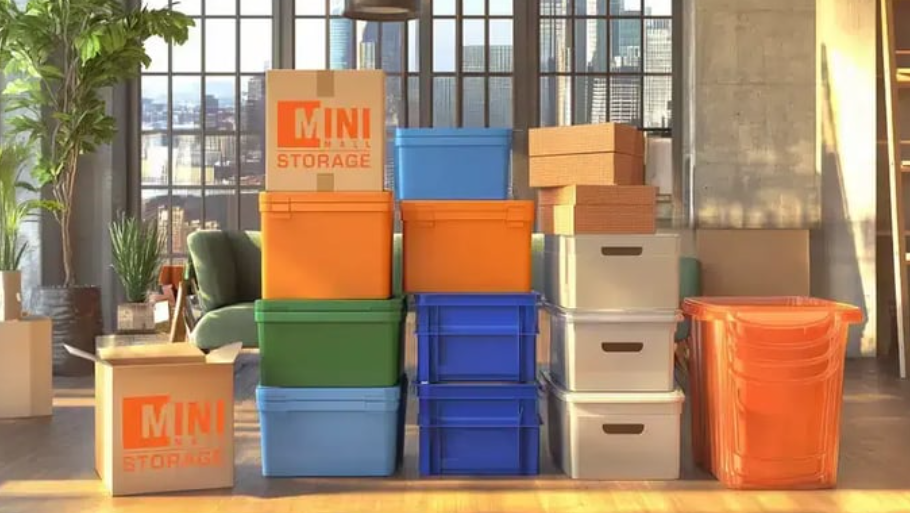
Are Plastic Crates Better Than Cardboard Boxes for Storage and Transport?
Businesses of all sizes depend on reliable storage and transport solutions to keep operations running smoothly. Whether products are moving through a warehouse, being shipped to customers, or stored for future use, the type of packaging chosen has a direct impact on efficiency, cost control, and product safety. The debate between reusable containers and disposable packaging is ongoing, and a common comparison is between plastic crates and cardboard boxes. Each option serves a purpose, but their differences become clear when examined through durability, cost, hygiene, and long-term performance.
Durability and Product Protection
Durability is one of the most significant factors when comparing storage and transport options. Cardboard boxes are lightweight and easy to assemble, but they are inherently fragile. They can tear, collapse, or lose structural integrity when exposed to weight, moisture, or repeated handling. This makes them less reliable in demanding environments.
Plastic crates, on the other hand, are engineered for strength and repeated use. Their rigid structure provides consistent protection, even when stacked or transported over long distances. Goods inside are less likely to be crushed or damaged, which is especially important for fragile, high-value, or perishable items. Over time, this increased protection can significantly reduce losses caused by damaged products.
Reliability in Transport and Logistics
Transport environments often involve multiple stages, including loading, unloading, stacking, and mechanical handling. Cardboard boxes may perform adequately in controlled conditions, but they are vulnerable during long or complex logistics chains. Humidity, rain, and temperature changes can weaken cardboard, increasing the risk of failure during transit.
Plastic crates are designed to perform consistently under these challenging conditions. They maintain their shape regardless of weather exposure and can withstand vibration and movement during transport. This reliability makes them suitable for use in automated warehouses and distribution centers, where uniform container strength is essential for smooth operations.
Long-Term Cost Efficiency
Initial cost is often a deciding factor for businesses, and cardboard boxes usually appear cheaper at first glance. However, they are typically intended for single use or limited reuse. Frequent replacement leads to ongoing purchasing costs, as well as additional expenses related to waste disposal and damaged goods.
Plastic crates involve a higher upfront investment, but they are built to last. When used repeatedly over months or years, their cost per use becomes significantly lower. Businesses with regular transport cycles often find that reusable containers offer better financial performance over time. Evaluating total cost of ownership, rather than just purchase price, provides a clearer picture of which option delivers greater value.
Storage Efficiency and Space Management
Effective use of space is essential in warehouses, retail stockrooms, and transport vehicles. Cardboard boxes come in various sizes and strengths, which can lead to unstable stacking and inefficient use of vertical space. Damaged or weakened boxes may need to be discarded, further complicating organization.
Many plastic crates are designed with stackable and nestable features. When full, they stack securely, creating stable loads that improve safety. When empty, they can be nested inside one another, reducing the space required for return transport and storage. This space efficiency helps businesses maintain organized facilities and optimize available storage areas.
Hygiene and Cleanliness Standards
Hygiene is a critical consideration in industries such as food processing, agriculture, pharmaceuticals, and healthcare. Cardboard absorbs moisture and can harbor bacteria, mold, or pests, making it unsuitable for environments with strict cleanliness requirements. Once contaminated, cardboard boxes often cannot be effectively cleaned.
Plastic crates offer a clear advantage in this area. Their smooth, non-porous surfaces are easy to wash and sanitize, allowing them to meet high hygiene standards. Regular cleaning ensures they remain safe for repeated use, supporting compliance with health regulations and reducing the risk of contamination.
Environmental Impact and Sustainability
Environmental responsibility has become increasingly important for modern businesses. Cardboard is often perceived as the greener option because it is biodegradable and recyclable. However, its short lifespan means that large quantities are consumed and discarded regularly, increasing waste and resource use.
Plastic crates are not biodegradable, but they are reusable and recyclable at the end of their life cycle. When used over many years, their environmental impact per use can be lower than that of disposable packaging. For businesses focused on reducing waste and improving sustainability metrics, reusable containers can support long-term environmental goals when managed responsibly.
Handling Efficiency and Worker Safety
Employee safety and productivity are directly influenced by the packaging used in daily operations. Cardboard boxes can weaken unexpectedly, increasing the risk of collapse during lifting or stacking. This can lead to injuries and slower handling times.
Plastic crates provide consistent strength and often include ergonomic handholds that make lifting and carrying safer. Their predictable performance allows workers to handle goods more efficiently, reducing strain and improving overall workflow. In high-volume environments, these benefits can have a noticeable impact on operational speed and safety.
Conclusion
When comparing storage and transport solutions, the choice between cardboard boxes and plastic crates depends on how frequently goods are moved, the conditions they face, and the long-term priorities of the business. Cardboard remains useful for one-time shipments, lightweight products, and short transport cycles. However, for organizations that require durability, hygiene, reliability, and cost efficiency over time, reusable containers offer clear advantages.
By investing in plastic crates, businesses can reduce product damage, improve operational efficiency, and support sustainable practices. While the initial cost may be higher, the long-term benefits often outweigh the drawbacks, making them a practical and strategic choice for modern storage and transport needs.