
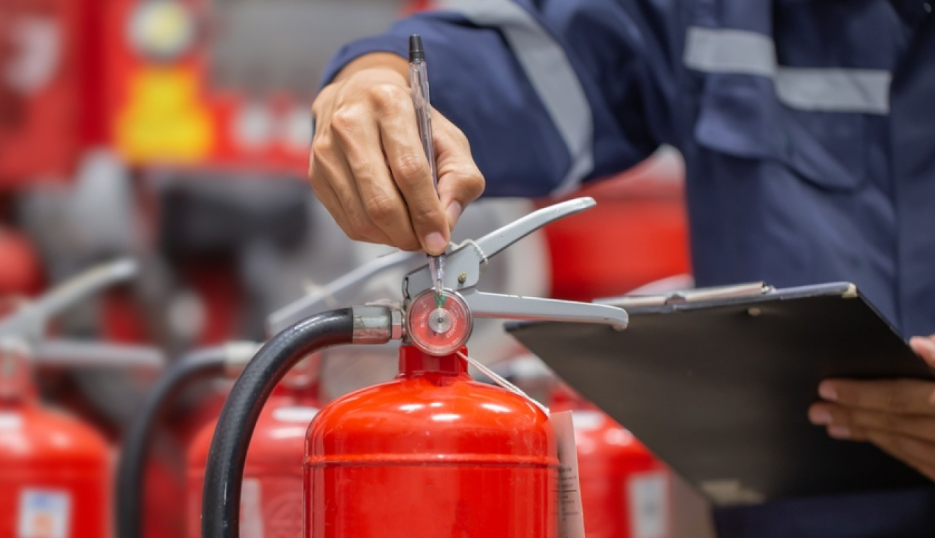
Fire Risk Assessment as a Foundation of Fire Safety
Fire Risk Assessment is a fundamental element of effective fire safety management. It is a structured process used to identify potential fire hazards, evaluate associated risks, and implement appropriate control measures. A well-conducted fire risk assessment helps reduce the likelihood of fire incidents and limits their impact on people, property, and operations.
Understanding Fire Risk Assessment
Fire Risk Assessment involves a careful examination of a building and its activities to determine how a fire could start and spread. It assesses the interaction between ignition sources, combustible materials, and building design. The purpose is to create a clear picture of fire-related risks and establish practical steps to manage them effectively.
Importance of Fire Risk Assessment in Safety Planning
Fire Risk Assessment plays a vital role in overall safety planning. Without it, fire safety measures may be incomplete or unsuitable for the specific environment. An effective assessment ensures that fire prevention, detection, and evacuation measures are properly aligned with the level of risk present in the premises.
See also: Online Learning Platforms Explained
Identifying Potential Fire Hazards
Identifying fire hazards is a core part of Fire Risk Assessment. Common hazards include faulty electrical systems, heating equipment, open flames, and poor housekeeping. Flammable materials such as paper, chemicals, and fuel must also be evaluated to understand how they may contribute to fire development.
Assessing the Level of Fire Risk
Fire Risk Assessment goes beyond identifying hazards by evaluating how serious each risk is. This includes considering the likelihood of a fire occurring and the potential consequences if it does. Factors such as fire spread, smoke production, and evacuation time are analyzed to determine risk severity, especially in complex environments where high rise fire watch ensures continuous monitoring, coordinated evacuation support, and rapid response in multi-story buildings.
Evaluating People at Risk
Protecting human life is the primary focus of Fire Risk Assessment. The assessment identifies who may be at risk during a fire, including employees, residents, visitors, and individuals with limited mobility. Understanding occupancy patterns helps ensure evacuation procedures are safe and realistic for everyone.
Fire Detection and Warning Arrangements
Fire Risk Assessment reviews the effectiveness of fire detection and warning systems. Smoke detectors and fire alarms must provide early warning to allow occupants enough time to respond. The assessment ensures these systems are appropriately located, functional, and suitable for the building’s layout.
Measures to Control Fire Spread
Controlling fire spread is essential to reducing damage and saving lives. Fire Risk Assessment examines structural features such as fire doors, fire-resistant walls, and compartmentation. These measures help contain fire within a limited area and provide critical time for evacuation and emergency response.
Emergency Escape Routes and Evacuation Planning
Fire Risk Assessment carefully evaluates escape routes and emergency exits. Routes must be clearly marked, well-lit, and free from obstructions. Evacuation planning ensures that occupants can leave the building quickly and safely in the event of a fire.
Fire Safety Training and Awareness
Training is an important outcome of Fire Risk Assessment. Occupants and staff should understand fire procedures, alarm signals, and evacuation routes. Regular training and drills improve confidence and reduce panic, ensuring a calm and coordinated response during an emergency.
Recording Fire Risk Assessment Findings
Documenting the findings of a Fire Risk Assessment is essential for effective safety management. Records include identified hazards, risk levels, and implemented control measures. Proper documentation supports ongoing monitoring and demonstrates a commitment to fire safety.
Reviewing and Updating Fire Risk Assessment
Fire Risk Assessment should be reviewed regularly to remain effective. Changes such as building alterations, new equipment, or increased occupancy can introduce new risks. Regular reviews ensure fire safety measures stay relevant and up to date.
Responsibility for Conducting Fire Risk Assessment
Fire Risk Assessment should be carried out by a competent person with sufficient knowledge of fire safety principles. Accurate assessment and practical recommendations are crucial to ensuring fire risks are properly managed and controlled.
Conclusion on Fire Risk Assessment
Fire Risk Assessment is a critical process that supports fire prevention, emergency preparedness, and life safety. By identifying hazards, evaluating risks, and implementing appropriate controls, it significantly reduces the likelihood and impact of fire incidents. A well-maintained fire risk assessment creates a safer environment and protects both people and property over the long term.