
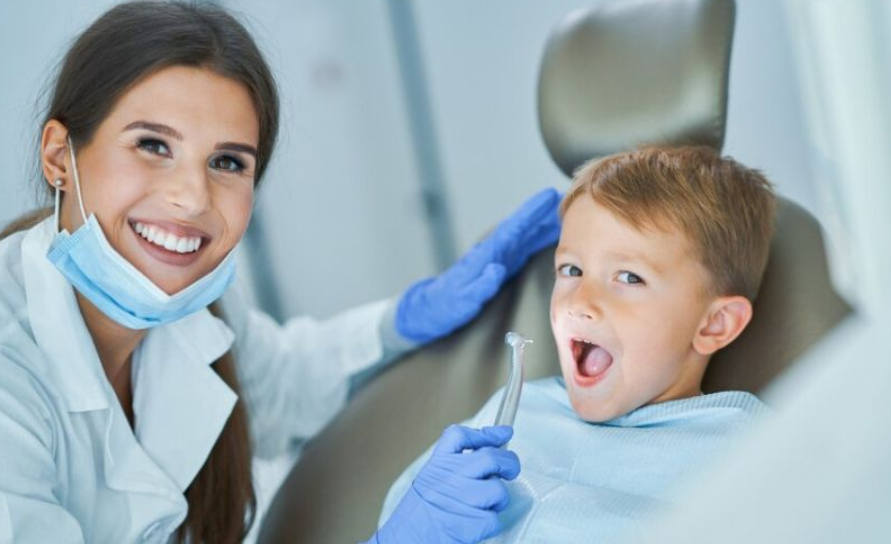
How a Kids Dentist Is Specially Trained to Care for Children’s Smiles
Every parent wants the best for their child’s health—but dental care has its own unique set of needs. Children are not simply “small adults”; their mouths change rapidly, and their emotional responses are very different from those of grown-ups. That’s why a kids dentist undergoes specialized training and uses unique approaches designed specifically for children. In this article, we’ll explore the many ways these specialists are prepared to care for young smiles.
Specialized Education Beyond General Dentistry
A kids dentist starts with the same foundational training as a general dentist but goes much further. After dental school, they complete additional education focused on pediatric dentistry. This includes intensive study of child psychology, growth and development, and behavior guidance techniques. Understanding how children think and respond at different ages is essentialit helps dentists communicate in ways that reduce fear and foster cooperation.
This training equips pediatric professionals to work confidently with infants, toddlers, school-age children, and teenagers. It prepares them to notice developmental changes that might otherwise go undetected.
See also: Financial Hardship and End-of-Life Costs: What Connecticut Families Need to Know
Expertise in Managing Children’s Behavior
One of the most important parts of pediatric dental training involves behavior management. Children often feel anxious or unsure in medical environments, and their reactions can vary widely. A kids dentist is trained to recognize subtle cues of fear or discomfort and address them before they escalate.
Techniques such as “tell-show-do” (where the dentist explains a tool, shows it, then performs the action), distraction methods, and positive reinforcement help children stay calm and engaged. These skills aren’t typically emphasized in general dentistry training, but they are central to pediatric practice.
Knowledge of Childhood Dental Development
Children’s mouths go through extraordinary changesfrom baby teeth to permanent teeth, from jaw growth to changing bite patterns. A kids dentist understands the timeline and nuances of these processes. They can identify early signs of malocclusion (bite issues), assess when baby teeth should fall out, and recognize developmental abnormalities.
This expertise allows them to guide parents through each stage and make timely recommendations for orthodontic evaluations or interventions. Early detection and guidance often lead to simpler, more effective treatments later.
Child-Appropriate Tools and Techniques
Kids have smaller mouths, more delicate tissues, and different oral care needs than adults. A kids dentist uses instruments designed for these differences. Smaller dental mirrors, gentler suction devices, and specialized cleaning tools make examinations and treatments more comfortable.
In addition, pediatric dental offices often use modern technology that minimizes noise and discomfort. Techniques such as gentle polishing and tooth-friendly fluoride applications are routine parts of preventive care.
Dental offices that focus on children, like https://kidscitydental.com/, are thoughtfully outfitted to make visits smoother and more enjoyable for children of all ages.
Behavioral Guidance and Emotional Support
A big part of pediatric dental training focuses on emotional support. Dentists learn how to talk with nervous children in a way that builds trust. They also work closely with parents, providing strategies to prepare kids before visits and support them afterward.
Preventive Focus and Early Intervention
Rather than waiting for problems to emerge, a kids dentist emphasizes prevention. Pediatric dental education includes guidance on diet, brushing techniques, fluoride use, and habits that affect oral health. By teaching children and parents how to prevent cavities and gum issues, pediatric specialists help children avoid more complex treatments in the future.
Clinics like https://kidscitydental.com/ often provide customized education plans based on a child’s individual needs, making it easier for families to follow through at home.